
How to Choose the Right Hot Water System in 5 Steps
When choosing a hot water system for your home, it’s essential to find the right one that suits your needs. With various options available in the market, selecting the perfect hot water system can feel overwhelming. However, by following these five simple steps, you can make the process a breeze.
What are the different varieties of hot water systems?
Hot water systems are essential for our daily routines, like taking showers and cleaning. There are different types to choose from, each with its own advantages. Knowing the many types can help you pick the right one for your home or business.
You’ve got plenty of options when it comes to water heaters. There are storage systems, continuous flow, and renewable options to consider.
When making your decision, it’s crucial to ensure that the size of your system aligns with your needs and the available space. Additionally, consider the overall costs, which extend beyond the heater’s initial purchase price, to make a well-informed choice.
When choosing a hot water system, the first thing to decide is the energy source and heating methods: electricity, gas, solar.
-
Electric
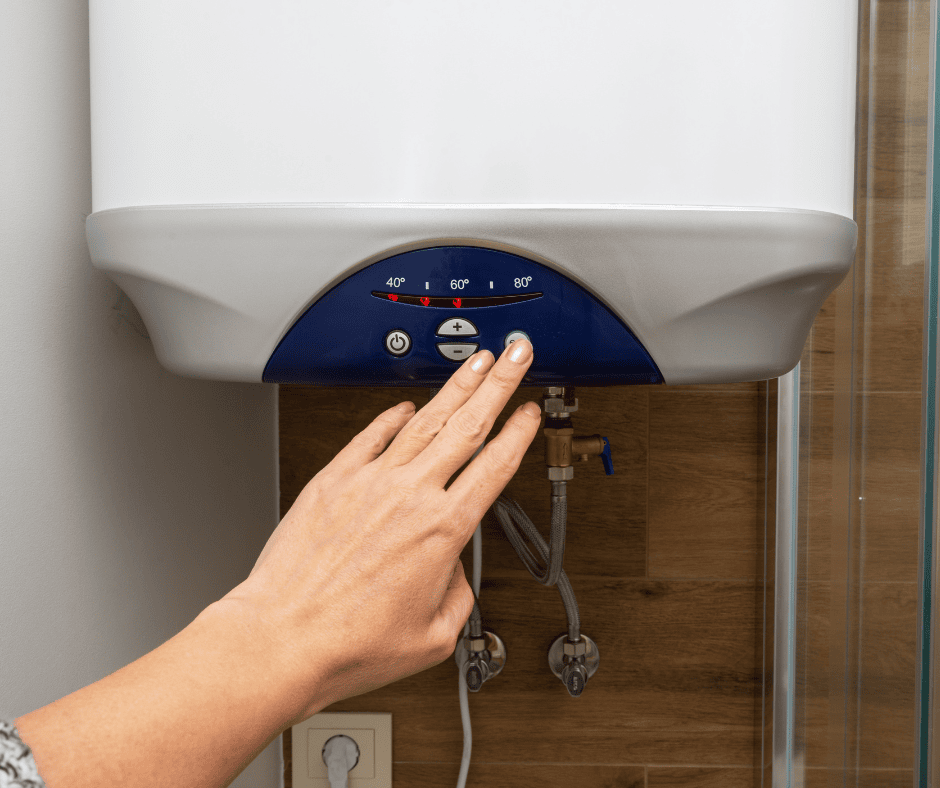
An electric storage water heater is like a big tank that keeps water warm using electricity. It’s easy to install and doesn’t cost much initially. Typically, installing it can take a couple of hours if it’s replacing a similar system. You can choose to heat the water during off-peak hours to save money. However, it can be expensive to run if you heat water all day. If you use off-peak electricity, you’ll need a bigger tank to last you all day.
There are also instant water heaters that heat water as you use it, but they usually only work for one faucet or shower.
Electric hot water systems are popular for heating water in residential and commercial settings. These systems use electricity to heat water, offering convenience, efficiency, and versatility.
-
Gas
A gas storage water heater operates with a gas burner beneath its storage tank, facilitating heat transfer to maintain a readily available hot water supply. This system boasts energy efficiency and emits fewer carbon emissions compared to its electric counterparts.
Ideal for households with access to natural gas, this option offers cost advantages over electricity, especially considering consistent gas rates throughout the day. Installation is typically swift and often completed in just a few hours, mainly if it’s a straightforward replacement.
While typically installed outdoors due to venting requirements, indoor installation with proper flue arrangements is feasible. These systems are rated for energy efficiency, including models with pilot lights, which continuously consume a small amount of gas, and those with electric ignition, offering greater economy.
-
Solar
A solar hot water system, also known as solar thermal technology, is a versatile solution that harnesses the sun’s energy to heat water for various purposes. Whether for domestic use, space heating, or industrial processes, this eco-friendly technology offers a sustainable alternative to conventional water heating methods, reducing energy consumption and greenhouse gas emissions.
These systems comprise solar collector panels and a storage tank, typically requiring around four square meters of collector area and a 300–360L tank for a four-person household. The heated water is stored in a cylindrical tank, either on the roof alongside the panels or at ground level, with a backup boost function available for overcast days. However, efficiency may decrease if panels are not ideally placed, necessitating a more extensive collection area. Despite being comparatively costly and time-consuming to install, with installation usually taking a day or less, these systems boast long-term benefits due to their low running costs. Government rebates and incentives can help offset initial expenses, making them a viable investment for environmentally-conscious consumers.

What size hot water system do I need?
Choosing the right size hot water system is vital for efficiently meeting your household’s needs. Consider factors like the number of people in your home, daily hot water usage, tank capacity, and recovery rate.
Larger families typically require more giant tanks with higher recovery rates to ensure an adequate hot water supply. Additionally, prioritise energy-efficient options to reduce costs and environmental impact. If you need more certainty, seek advice from a professional to determine the best fit for your specific requirements, ensuring you strike the right balance between capacity and efficiency.
Which hot water system is most efficient?
The efficiency of a hot water system can depend on various factors such as energy source availability, upfront costs, maintenance requirements, and environmental impact. Here’s a brief overview of each:
Electric Water Heater
- Efficiency: Electric water heaters can efficiently convert energy to heat, but they often have higher operating costs than other types due to the typically higher cost of electricity.
- Pros: Easy to install, no venting required, can be used in any climate.
- Cons: Higher operating costs and the fact that electricity may be less environmentally friendly if generated from fossil fuels.
Gas Water Heater
- Efficiency: Gas water heaters are generally more efficient than electric ones in operating costs, especially if you have access to affordable natural gas.
- Pros: Lower operating costs compared to electric, faster heating times.
- Cons: Higher upfront costs compared to electric, require venting, and may not be suitable for areas without access to natural gas.
Solar Water Heater
- Efficiency: Solar water heaters can be highly efficient, especially in sunny regions, as they use renewable solar energy.
- Pros: Low operating costs once installed, environmentally friendly, can significantly reduce utility bills.
- Cons: Higher upfront costs for installation may require a backup heating system for cloudy days or high demand.
How much do hot water systems cost?
Hot water systems vary in cost depending on size, brand, and type. Generally, a primary water heater costs around $500, while more advanced systems like tankless heaters range from $1,000 to $3,000. Installation costs can also be added to the total price.
It’s essential to consider long-term savings in energy bills when choosing a hot water system.
Which hot water system brands are best?
When it comes to hot water systems, Rheem, Rinnai, Bosch, Volcan, and Stiebel stand out as some of the best brands. Each brand prioritises quality, efficiency, and reliability, making them top choices for hot water solutions.
Get expert help in choosing your hot water system
Choosing the right hot water system for your home can be tricky, but you don’t have to do it alone! Our team of experts is here to help you every step of the way.
We understand that every household has unique needs and preferences, which is why we offer personalised guidance. We consider your specific requirements, whether it’s energy efficiency, space-saving options, or budget-friendly choices, to find the perfect hot water solution for you.
Get in touch now and say goodbye to the confusion of selecting a hot water system!
Secure Your Free Plumbing Quote.
Delivering Incomparable Plumbing Services in Perth.
When it comes to plumbers in Perth and the Eastern Wheatbelt, reliability, punctuality, and quality workmanship can vary.
With over 28 years of experience operating within the Perth and Wheatbelt communities, Enterprise Plumbing & Gas provide exceptional solutions for your plumbing and gas needs.
Contact our friendly team to discuss your next plumbing or gas project today.
